Why malt vinegar matters
The history of malt vinegar and how it’s still crafted today is the story of barley becoming beer and beer becoming a bright, savory vinegar that loves fried food, roasts, and hearty vegetables. Malt vinegar carries toasted grain notes with gentle caramel and cocoa depending on the beer base. At American Vinegar Works we honor that lineage with careful fermentations and patient mellowing so you taste grain character, not just sourness.
From alehouses to home tables
Malt vinegar grew up alongside beer in brewing regions where surplus or purpose-brewed ales were diverted to vinegar making. Brewers knew their grains, yeast, and fermentation schedules, so transforming finished ale into vinegar was a natural extension of the craft. For centuries, cooks reached for malt vinegar to cut richness in fried fish, chips, savory pies, and pickled onions. Its popularity spread because it made heavy foods feel lighter while leaving a warm grain echo on the palate.
The traditional path: barley to beer to vinegar
-
Mash and ferment barley
Barley is malted (germinated and kilned) to unlock enzymes, mashed with hot water, then fermented by brewer’s yeast into beer. -
Acetic fermentation
Finished beer meets a healthy “mother of vinegar” and oxygen. Acetobacter converts ethanol to acetic acid while protecting grain aromatics. -
Racking and rest
The new vinegar is moved off lees to keep it clean and allow flavors to knit. -
Mellowing
A quiet rest—often with time in neutral or used wood—rounds edges and reveals toasted, nutty notes from the grain.
This path preserves the flavor memory of the original ale. Good malt vinegar should smell like the beer it came from, now bright and food friendly.
What changed with mass production
Industrial systems prioritized speed and uniformity. Rapid conversion and aggressive filtration can flatten the grain voice and push the profile toward one-note acidity. The result is fine for cleaning or large-scale pickling but less compelling on the plate. The modern craft revival returns to steady oxygen, reasonable temperatures, and patient resting so those barley-driven aromas remain intact.
How we still craft malt vinegar today
At American Vinegar Works we produce two distinct malt styles to show how beer choice shapes vinegar:
-
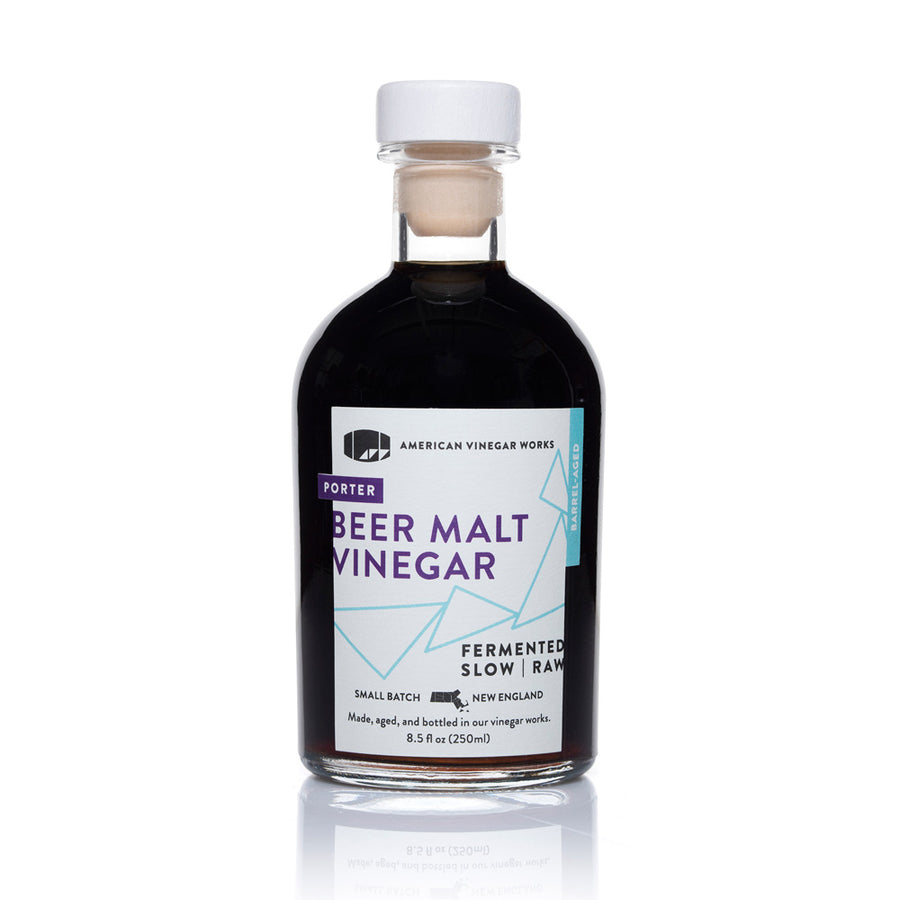
Porter Beer Malt Vinegar, opens in a new tab
Built from dark, roasty beer for cocoa-like depth and a faint toffee note. Excellent in gravies, pan sauces, roasted mushrooms, and pub-style onions. -
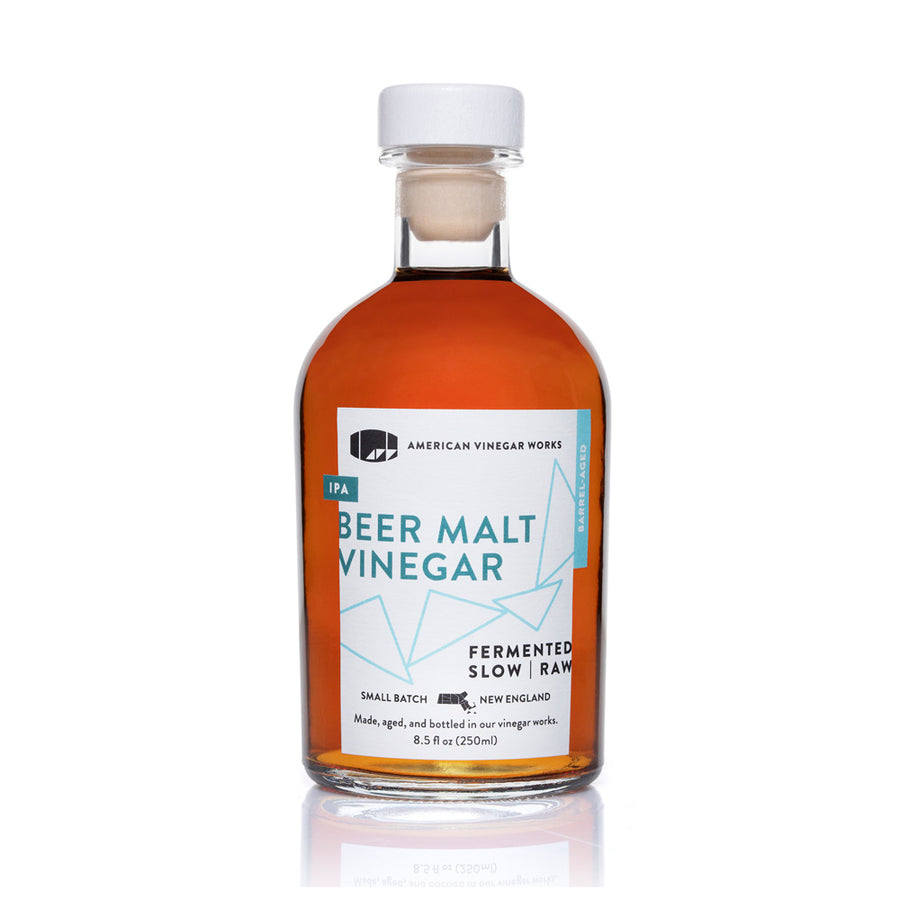
IPA Beer Malt Vinegar, opens in a new tab
Made from hop-forward beer to capture bright citrus lift. Fantastic on crispy potatoes, grilled chicken, and quick pickled toppings for tacos and burgers.
Our process focuses on clean acetic fermentation with measured oxygen, careful racking, and a calm mellowing period that protects grain character. You taste rounded acidity with a clear link back to the beer.
Flavor profile: what to expect
-
Aroma: toasted grain, light caramel or cocoa for porter styles; citrusy zest for IPA styles
-
Palate: lively acid wrapped in grain softness rather than sharp edges
-
Finish: savory length that makes rich food feel lighter
Five fast uses that highlight malt character
Mushroom pan sauce
Sauté mushrooms in olive oil. Deglaze with Porter Beer Malt Vinegar, opens in a new tab. Swirl in butter, thyme, and salt. Spoon over steak or polenta.
Crispy potato finish
Toss hot roasted potatoes with IPA Beer Malt Vinegar, opens in a new tab and flaky salt. Add chopped parsley.
Gravy with grain depth
Whisk a splash of Porter Beer Malt Vinegar, opens in a new tab into pan drippings before adding stock. The vinegar brightens without sweetness.
Quick pickled onions
Equal parts IPA Beer Malt Vinegar, opens in a new tab and water with salt and a pinch of sugar. Pour over thin red onions. Ready in 20 minutes.
Slaw for fried fish
IPA Beer Malt Vinegar, opens in a new tab, olive oil, Dijon, sugar, salt. Toss with cabbage and herbs for a clean, zesty counterpoint.
When to choose malt vinegar vs other styles
-
Choose malt vinegar when the dish is rich or browned and needs savory lift.
-
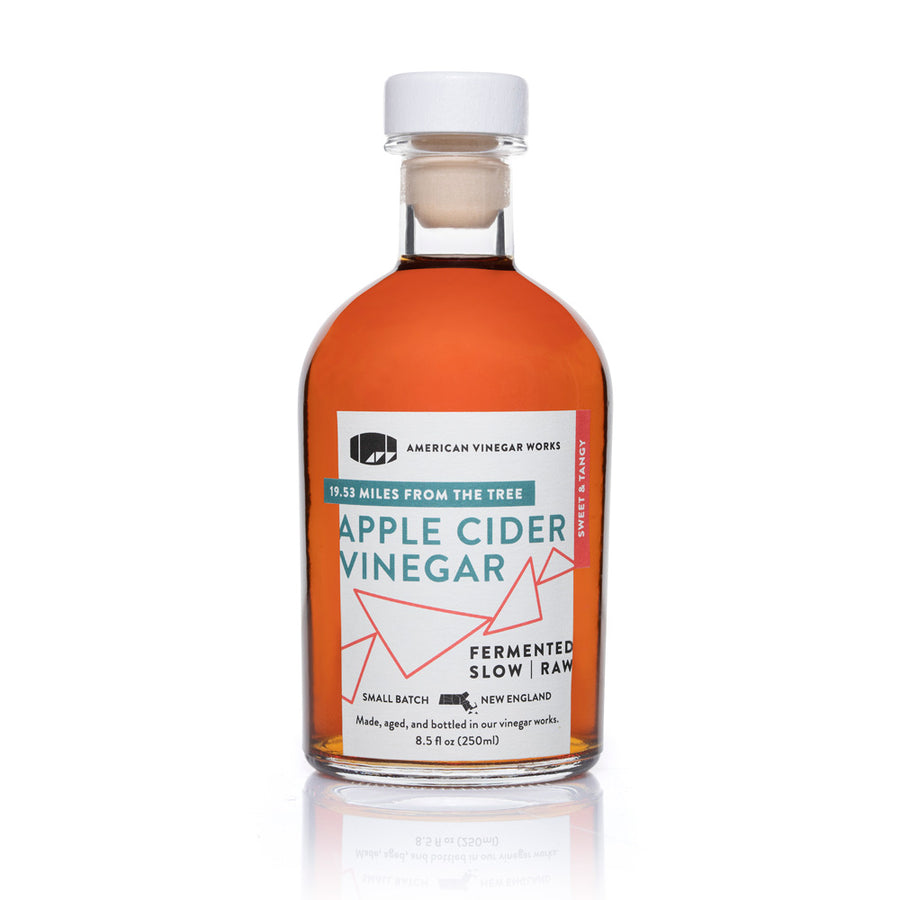
Choose apple cider vinegar, opens in a new tab for gentle fruit in everyday vinaigrettes and marinades.
-
Choose sherry vinegar to finish beans, stews, and mushrooms with warm depth.
-
Choose chardonnay vinegar for crystal-bright salads and seafood.
If a recipe calls for balsamic and you want to stay within our range, use Apple Cider Vinegar, opens in a new tab plus a touch of maple to mimic fruit depth, then reduce briefly for body.
For restaurants and prep kitchens
Malt vinegar offers repeatable acidity with a signature grain voice. It reduces the need for extra salt in dressings and makes fried or roasted items taste crisp and composed. We provide food service formats so your house gravies, slaws, and pickles stay consistent across service.
Frequently asked questions
Is there alcohol left in malt vinegar?
No. Alcohol is converted to acetic acid during fermentation and we confirm completion before bottling. All vinegars are required to be below 0.5% (Alcohol By Volume) and most of ours are closer to 0.1 to 0.3% ABV
Will malt vinegar taste like beer?
You will recognize the grain or hop character but not the bitterness or alcohol. Think savory echo, not beeriness.
Can I blend malt vinegar with other vinegars?
Yes. A spoon of Porter Beer Malt Vinegar, opens in a new tab , opens in a new tabin a cider-based dressing adds warmth. A splash of IPA Beer Malt Vinegar, opens in a new tab sparks slaws and potato salads.
Does barrel time make it taste like whiskey?
No. Used wood rounds texture and integrates aroma without adding whiskey flavor.
Product picks
-
Porter Beer Malt Vinegar, opens in a new tab for gravies, mushrooms, and roasts
-
IPA Beer Malt Vinegar, opens in a new tab for crispy potatoes, slaws, and quick pickles
-
Apple Cider Vinegar, opens in a new tab as your everyday anchor for dressings and marinades
These three cover hearty meals, bright sides, and daily cooking without overlap.
Final thoughts
The history of malt vinegar and how it’s still crafted today begins with barley and ends with a bottle that makes rich food feel lighter and more alive. When fermentation is clean and mellowing is patient, grain aroma stays intact and acidity feels round, not harsh. Add Porter Beer Malt Vinegar, opens in a new tab for savory depth and IPA Beer Malt Vinegar, opens in a new tab for zesty lift, then keep Apple Cider Vinegar, opens in a new tab on hand for everyday cooking. Choose fast vinegar delivery and taste the upgrade tonight.