Why This Sage Parmesan Bean Recipe Works Best
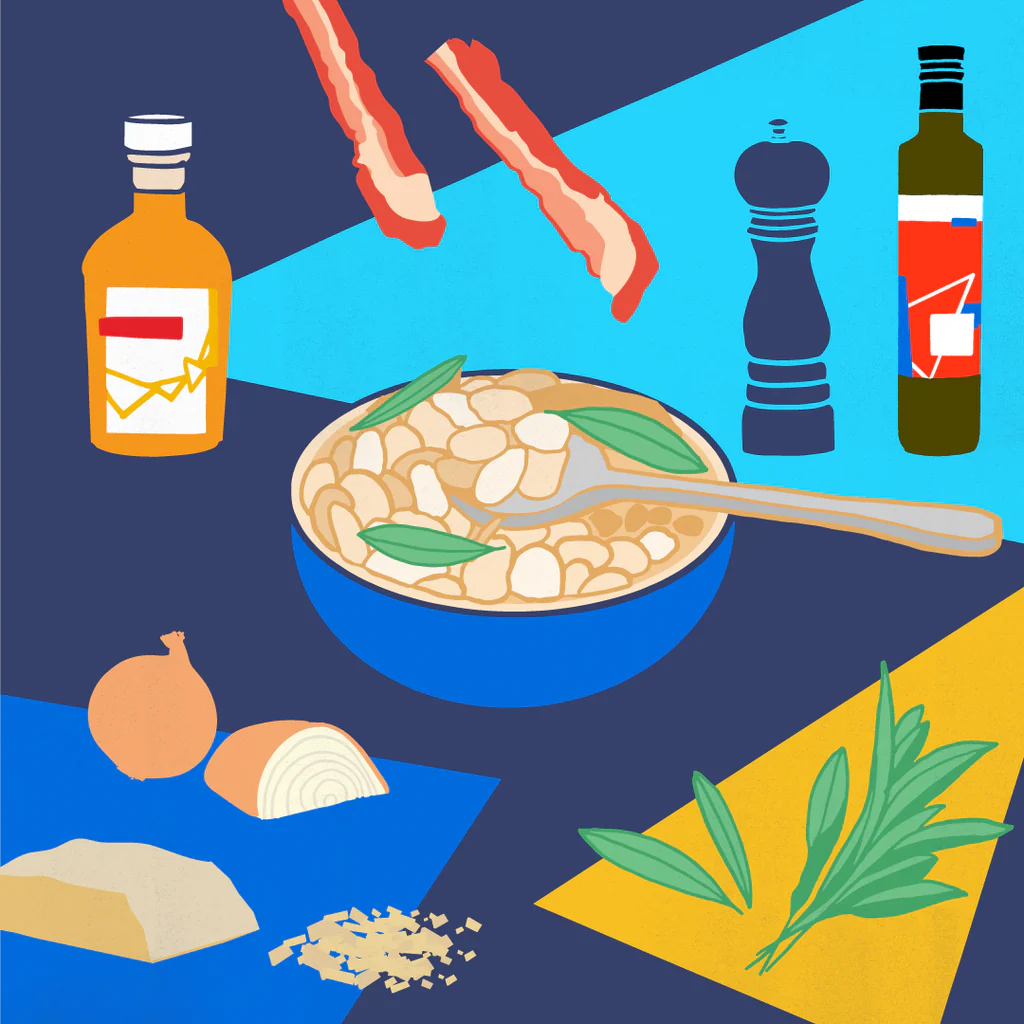
This Sage Parmesan Giant Beans dish is a masterclass in rustic Mediterranean cooking, transforming humble dried beans into a luxurious, "company-ready" main course. By using a small amount of thick-cut bacon as a savory base and finishing with the bright, nutty acidity of California Sherry Vinegar, opens in a new tab, the beans achieve a deep complexity. The resulting texture is a thick, creamy braise rather than a soup, perfectly complemented by the earthy aroma of fresh sage and the umami of a simmered parmesan rind.
A thoroughly satisfying bean dish should feel both rustic and refined. This recipe makes the beans the hero of the plate, using a traditional Mediterranean approach where a small amount of meat (bacon) is used as a seasoning rather than a main component. It’s an indulgent, protein-rich meal that perfectly showcases how a high-quality acid can transform simple ingredients.
The Power of the Dried Bean
While canned beans are convenient, using dried "giant" varieties like Gigantes or Royal Coronas is essential for this dish. Dried beans offer a superior, creamy texture and allow the flavors of the beef stock, sage, and vinegar to penetrate deep into the bean during the long simmering process, creating a naturally thick sauce.
Ingredients That Matter
- American Barrel California Sherry Vinegar: This provides the indispensable "bright" finish that cuts through the richness of the parmesan and bacon.
- Fresh Sage: Earthy and aromatic, sage stands up to the hearty texture of the giant beans.
- Parmesan Rind: Never throw these away! Simmering the rind in the broth adds a professional depth of flavor and "liquid gold" umami to the sauce.
Steps for the Perfect Bean Braise
- The Overnight Soak: Start with a 2-inch water buffer. Soaking your beans in the fridge overnight ensures even cooking and prevents the skins from bursting during the pressure-cooking phase.
- Render, Don't Crisp: When cooking the bacon, aim to render the fat until it's just translucent. We want the smoky fat to carry the flavor of the sage and onions, not the hard crunch of breakfast bacon.
- Pressure Cooker vs. Slow Pot: Use a pressure cooker for a fast, 20-minute high-pressure cycle. If using a standard pot, go "low and slow" for at least an hour, monitoring liquid levels to ensure the beans stay submerged but the broth stays thick.
- The "Vinegar Reveal": Add the California Sherry Vinegar at the very end of cooking. This preserves its complex volatile aromas and provides an immediate lift to the heavy, savory notes of the cheese and beans.
FAQs About Cooking Giant White Beans
Can I use canned beans for Sage Parmesan beans?
You can, but the texture will be significantly softer. If using canned beans, reduce the cooking time and liquid quantity significantly, as you won't need the long simmer required to hydrate dried beans.
What can I use instead of a parmesan rind?
If you don't have a rind, add an extra tablespoon of grated parmesan or a teaspoon of white miso paste to achieve that same savory umami depth.
How do I get a thick sauce instead of a watery soup?
If your beans are tender but the liquid is too thin, simmer with the lid off for 5 to 10 minutes. The starches from the giant beans will naturally emulsify with the olive oil and parmesan to create a braise-like coating.
Which vinegar to use, and why
Beans, sage and parmesan are savory and soft. Quince chardonnay vinegar adds a honeyed lift without turning it sweet. We use Quince & Chardonnay Wine Vinegar here. It is slow-fermented and aged in oak at our mill in Worcester, Massachusetts, which is why it seasons the dish rather than just souring it.
Make it ahead and keep it
Store it covered in the fridge and stir before using.
What to cook next
Try Stewed Beans & Kale, or browse all our vinegar recipes. If you have not cooked with craft vinegar before, a mini bottle sampler set lets you taste across the range before committing to a full-size bottle. Orders over $85 ship free within the contiguous US.